How Lighting Dictates The Success Of Any Interior Design Project
A room may feature elegant furniture, rich textures, and beautiful finishes, but poor lighting can leave every detail unnoticed. Light influences mood, comfort, colour, and daily activity across the home. Designers treat illumination as a central part of every project, and interior design companies use the best lighting choices to give each space clarity, warmth, and purpose.
Lighting sets the mood
Light has a direct effect on how people experience a room. Warm illumination adds intimacy to bedrooms and lounges, while cooler tones suit work areas and kitchens. Bright settings support active tasks, whereas softer levels encourage relaxation. Matching colour temperature with each room’s purpose gives the home a balanced and comfortable atmosphere.
Natural light adds life to interiors
Sunlight gives rooms an open, fresh appearance and highlights natural materials. Large windows, glass doors, and suitable curtains help daylight reach deeper into the home. Mirrors can reflect sunlight into darker corners, while light coloured walls distribute brightness across the room. Good window placement also reduces reliance on artificial lighting during daylight hours.
Layered lighting supports daily activities
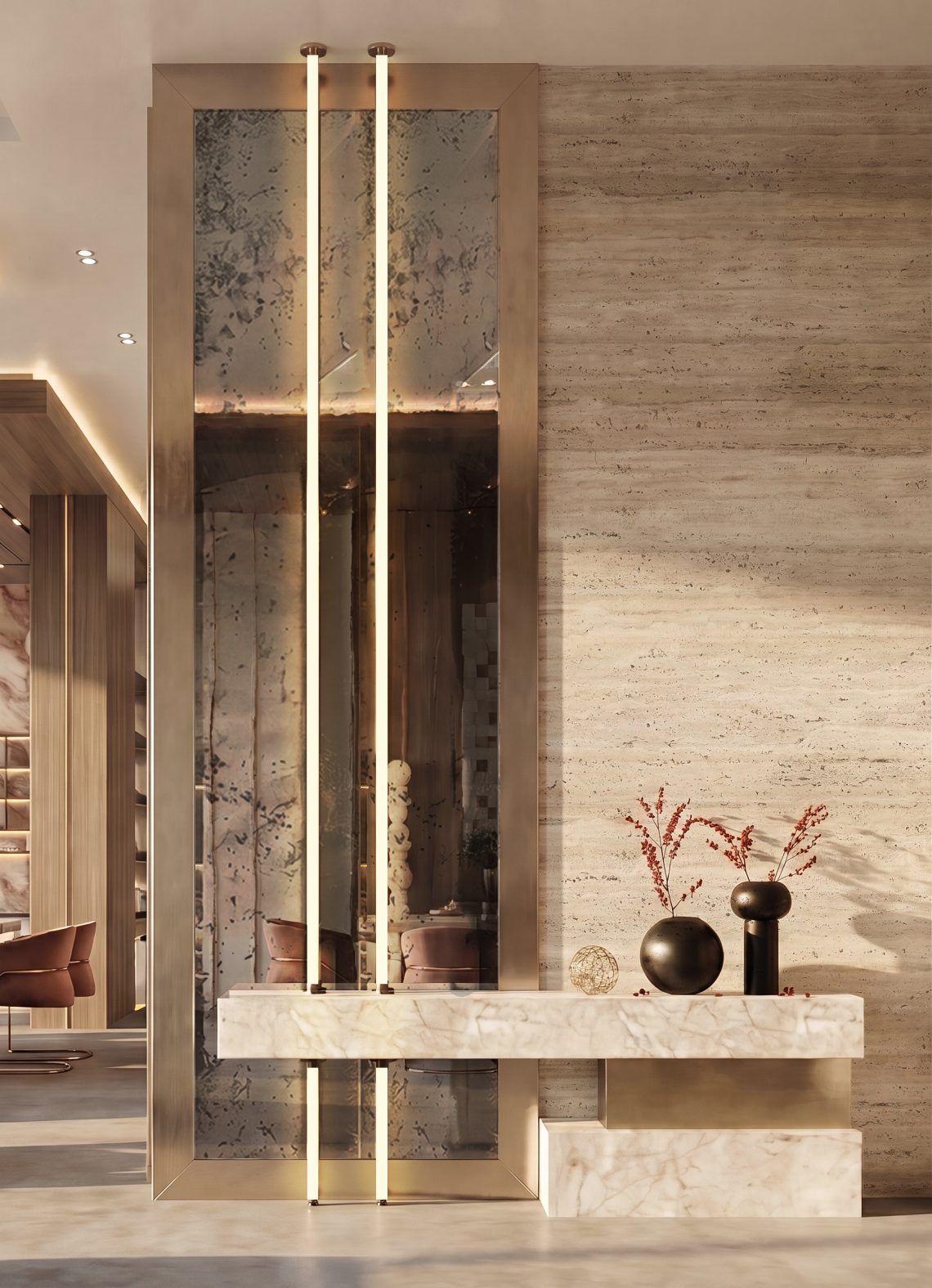
One ceiling fixture rarely meets every lighting requirement. A balanced design combines ambient, task, and accent lighting. Ambient fixtures illuminate the whole room, task lamps support reading or cooking, and accent lights draw attention to artwork, shelves, or architectural details. Combining all three gives residents’ greater control over brightness and room ambience.
Lighting influences colour and texture
The same paint shade may look different under warm bulbs, cool LEDs, or natural sunlight. Lighting also reveals the grain of timber, the pattern of stone, and the texture of fabric. Designers test samples under planned fixtures before final selection. Such checks help maintain colour consistency and prevent unwanted contrasts across adjoining rooms.
Smart controls improve convenience
Dimmers, motion sensors, and smart switches give homeowners flexible control over illumination. Residents adjust brightness according to the time of day, activity, or personal preference. Automated schedules also help reduce unnecessary energy use. Choosing compatible controls and fixtures early keeps electrical work organised and supports a smoother installation.
Energy efficiency protects long term value
LED fixtures use less electricity than traditional incandescent bulbs and offer a longer service life. Efficient lamps also reduce heat output, which supports indoor comfort in warm climates. Designers compare brightness, colour rendering, energy ratings, and product lifespan before selecting fixtures. Good lighting therefore supports visual appeal alongside sensible household running costs.